I didn't really understand alcohol. So I built a school for it & taught others.
The fastest way to sell more spirits in Indiana turned out not to be selling. It was teaching — and then getting out of the way.
I joined Southern Glazer's without a drinking background, managing a $30M+ portfolio of Bacardi, Heaven Hill and Patrón brands. The obvious disadvantage was real. What I noticed instead was a structural gap nobody was addressing.
There was no cost-effective, broad-reaching way to engage the entire bartending community in Indiana. Brand education happened one account at a time, one rep at a time, in fragments. Everyone was competing for a bartender's attention. Nobody was investing in their expertise.
What we built
The Academy of Spirits & Fine Service: a 12-week programme, one session a week, two and a half to three hours each, designed for beverage managers, bartenders and restaurant personnel who wanted to be better at their trade.
Working product knowledge across every category of alcoholic beverage made in the United States and worldwide. The essential skills to prepare, mix and serve. Prohibition-era classic cocktails recreated by hand, then modern drinks built with an eye on garnish and aesthetics. The history behind each cocktail, food pairing, and hands-on mixology in every session — plus genuine education on responsible consumption.
Not a brand seminar with a sales pitch at the end. A curriculum.
The measure that surprised me
Success wasn't a volume number. It was this: the Academy became a prerequisite to work at many cocktail bars in the city.
Bars started treating the certificate as a hiring signal. At that point the programme stopped being marketing and became infrastructure — and the entire on-premise community shifted with it. Better-trained bartenders make better drinks, hold higher expectations of the brands they pour, and create more sophisticated promotional opportunities for everyone.
Educating the market only provided for better drink education, higher expectations of sales execution and promotional opportunity.
Why teaching outperformed selling
Then it grew past me
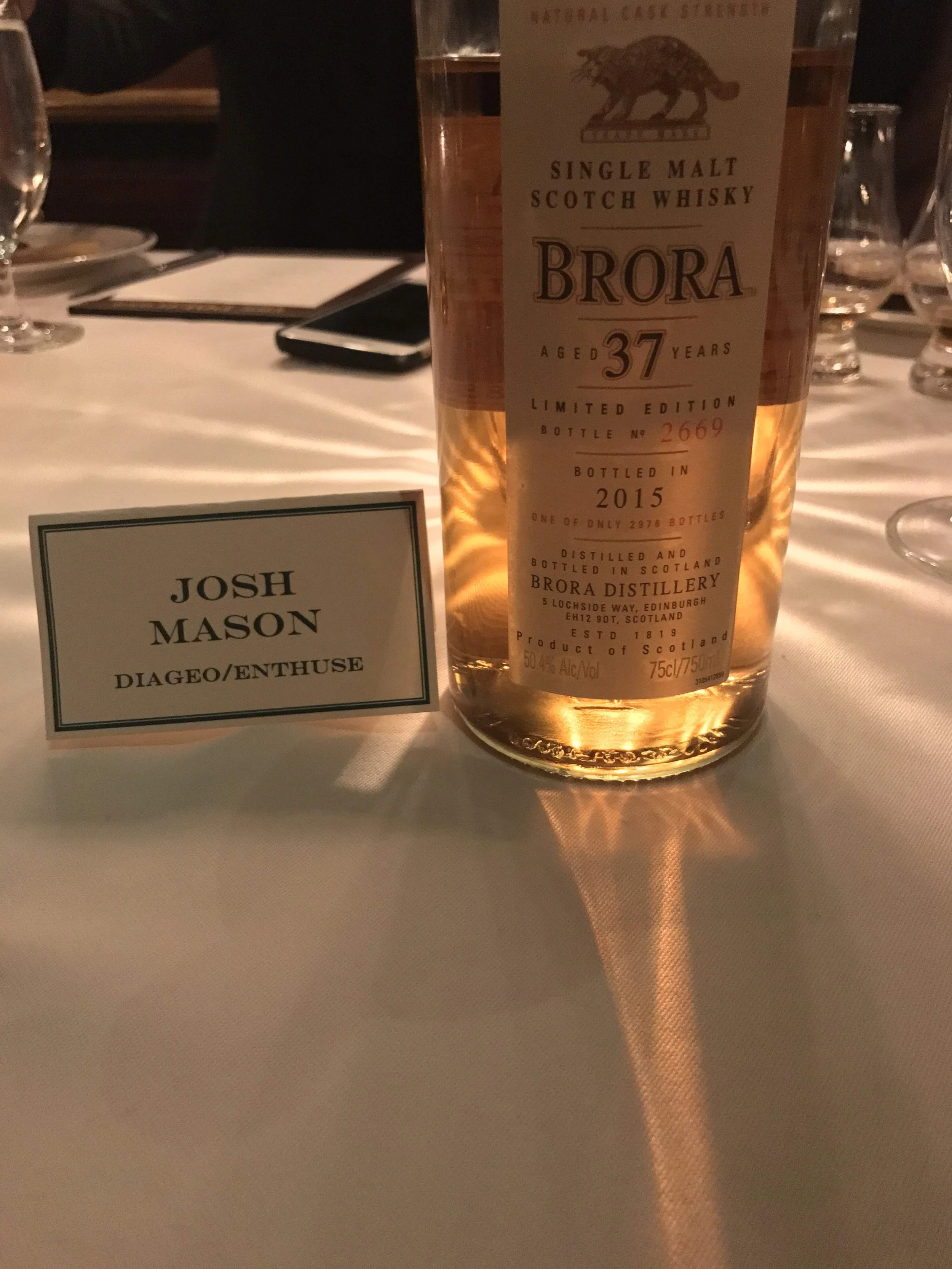
The Advanced Academy took beverage professionals travelling in partnership with suppliers — Scotland for Tanqueray and single malt, Jamaica for Appleton Rum, the Wild Turkey distillery and the Bourbon Trail, Cognac with the BNIC, Paris with Pernod Ricard, Chicago and New York for cocktail research, plus professional knife skills and molecular mixology.
Hands-on time with master distillers and brand teams — the kind of access that turns a job into a craft.
And the momentum from both programmes produced something I didn't plan: the founding of a United States Bartenders Guild chapter in Indiana, now one of the largest and most active in the country. The Academies feed it new members; the chapter continues their education long after the classroom.
What transfers
- Look for the gap nobody owns. Every brand was competing for bartenders. None was investing in them.
- Education outperforms persuasion in expert categories. People who know more buy better, sell harder, and last longer.
- Build the thing that outgrows you. A programme that produces an independent professional body is worth more than a campaign that produces a quarter.
- Not being the customer can be an advantage. I had to learn the category properly rather than assume I already understood it.


What could you teach your market?
In expert categories it's often cheaper than advertising and lasts considerably longer.
