Three MLS clubs surrounded us. So we went younger.
Sporting KC, Chicago Fire and FC Cincinnati all compete for Indiana. We couldn't outspend any of them — but none of them owned recreational soccer.
Indy Eleven sits inside a market claimed by three MLS clubs. Sporting Kansas City, Chicago Fire and FC Cincinnati all recruit here, market here, and carry budgets a USL club cannot match.
The instinct is to compete where they compete: elite youth academies, the best players, the highest-visibility tiers. That's a fight you lose slowly and expensively.
The space nobody was defending
We needed a meaningful, robust presence in the one space we should dominate — and that space was not the top of the pyramid. It was the bottom.
Recreational soccer. The kids who play on Saturday mornings because it's fun. Vastly more numerous than academy players, largely ignored by clubs chasing talent, and — this is the part that matters — the group whose relationship with the sport is still being formed.
Elite players are already committed to soccer. Recreational players are deciding whether they like it.
What we built
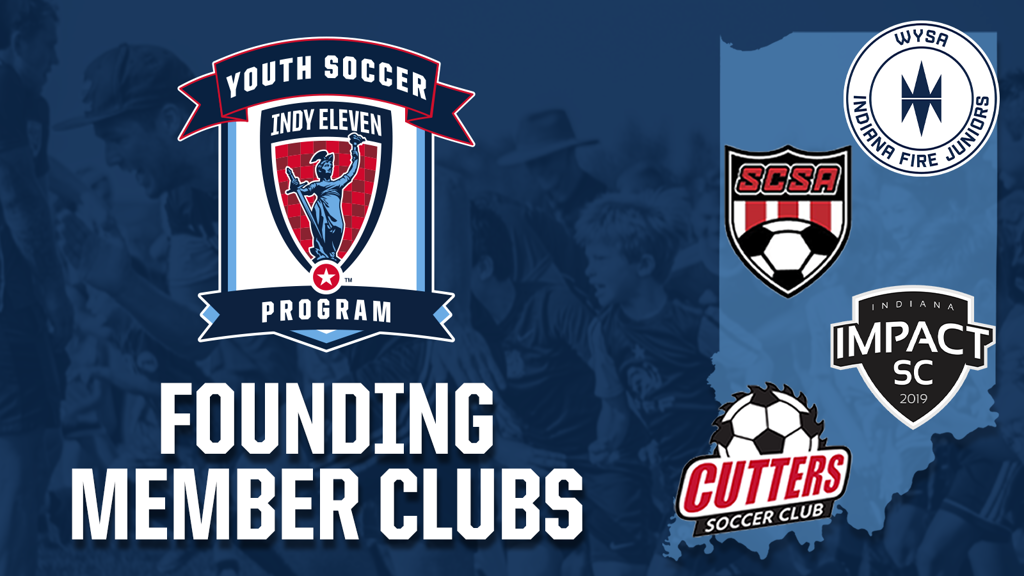
A recreational programme designed to do three things: turn kids into soccer enthusiasts early, keep them playing longer, and give them a club to aspire to play for.
The foundation was laid at the recreational level so it could build toward meaningful partnerships with clubs, staff, coaches, volunteers, players and parents — for the long-term sustainability of the game in Indiana, not only for our own attendance.
That last distinction was deliberate. A youth strategy that only serves the parent club reads as recruitment. One that genuinely improves the local game earns the standing to grow into every other part of it.
Elite players are already committed. Recreational players are still deciding.
Where the real leverage was
The uncomfortable part
This strategy pays back on a timeline longer than most marketing leaders stay in a job. A seven-year-old who enjoys soccer becomes a ticket buyer in fifteen years, or a parent bringing children in twenty.
You will not see it in your own reporting. You have to be willing to build something whose results belong to your successor — which is, I'd argue, a reasonable definition of doing the job properly.
What transfers
- Compete where the giants aren't. The prestigious tier is contested. The foundational one usually isn't.
- Go earlier in the relationship. Cheapest acquisition is always before the customer has chosen someone else.
- Serve the category, not just yourself. Growing the sport locally bought credibility no campaign could.
- Accept the delayed payoff. Some of the best work you do will be measured after you've gone.
Where is nobody competing?
It's rarely glamorous and it's usually where the leverage is.
