Turn audience activity into commercial decisions.
Josh builds the measurement, identity, CRM and lifecycle systems that connect attention to attendance, revenue, retention and long-term customer value.
The headline was not attendance. It was business-model correction.
At Indy Eleven, the 2018-to-2019 change combined total audience growth with a dramatic shift from complimentary attendance to paid demand.
Build the system in the order decisions happen.
Define the business question
Start with the decision: acquire, convert, retain, reactivate, upsell or improve experience.
Map the data
Identify source systems, owners, definitions, latency, permissions and missing instrumentation.
Create identity
Connect transactions, behavior and stated preferences into a usable customer profile.
Design segments
Build behavioral audiences tied to a next-best action, not generic demographics.
Activate journeys
Coordinate paid media, email, SMS, ticketing, service and onsite touchpoints.
Measure change
Report revenue, conversion, retention and experience outcomes — not channel activity alone.
Measurement designed around the commercial model.
Cross-property marketing intelligence
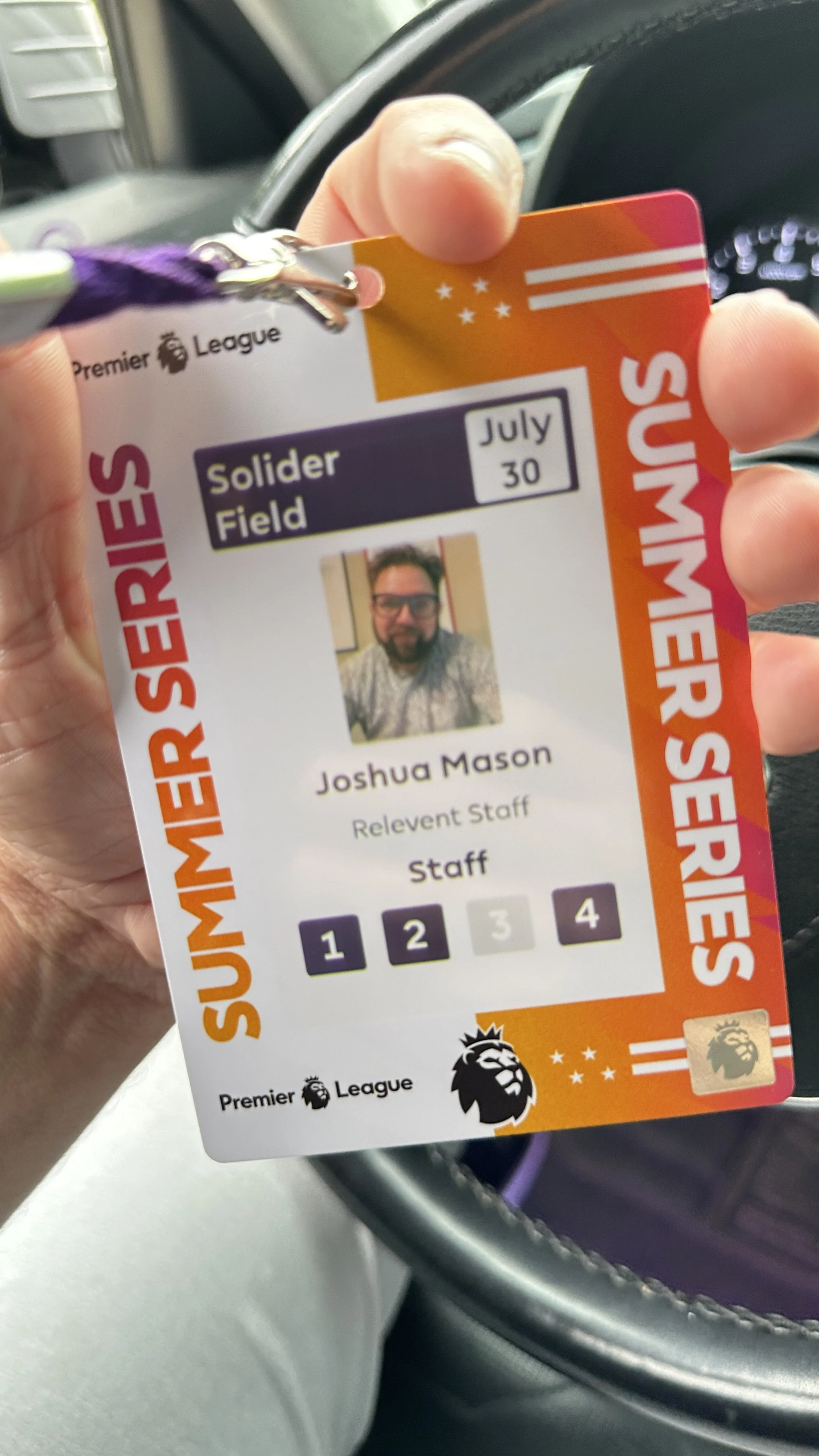
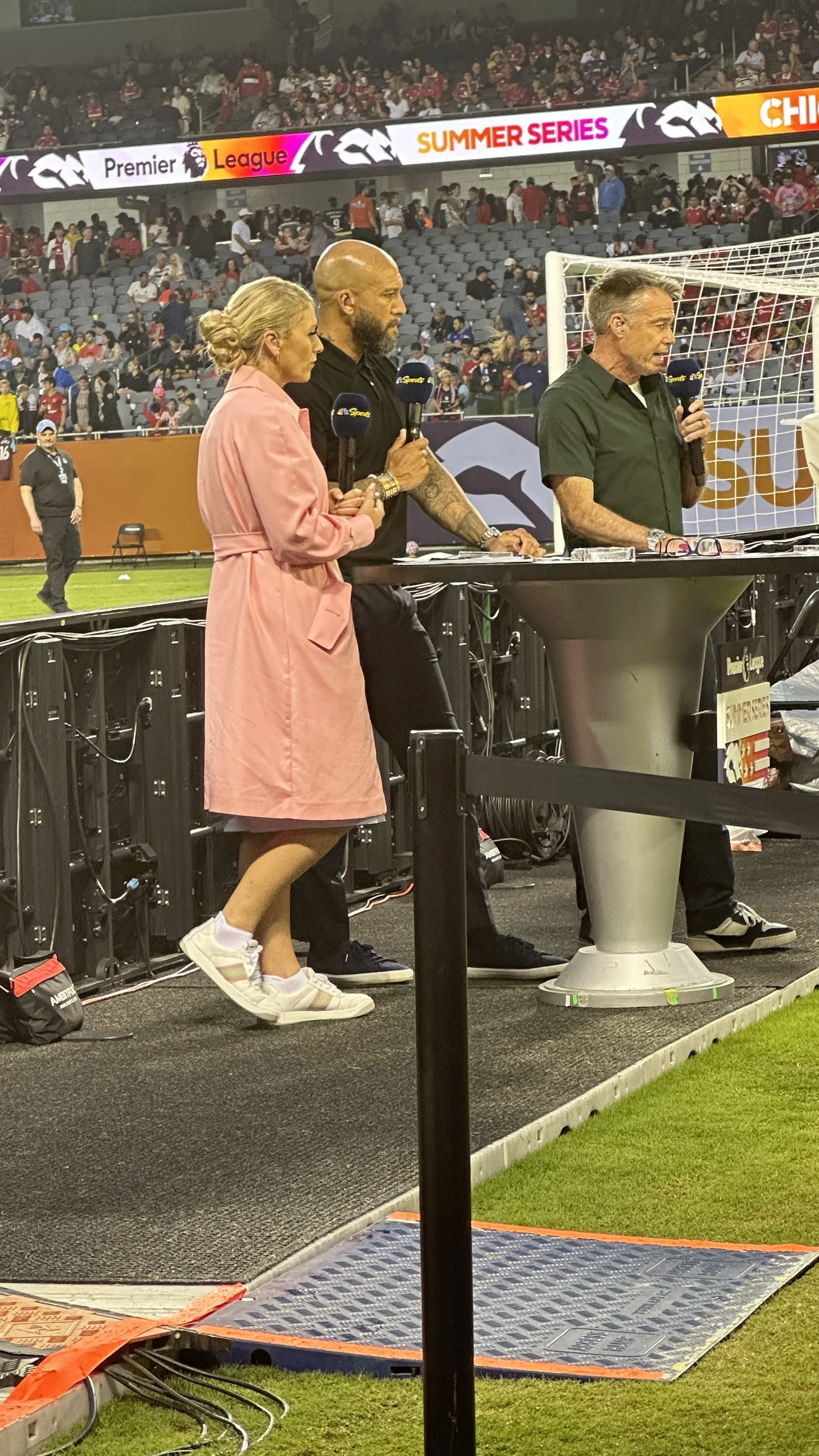
Built a reporting structure across registration, Meta and TikTok media, Ticketmaster, three venues and four Premier League clubs. The model centered the consumer journey rather than any one partner’s reporting format.
9.2K registrations · 142,639 tickets · $15.94M face value · 39M impressions · 7.73x ROAS
Audience strategy made operational
Developed discovery, governance, onboarding and use-case frameworks that helped sophisticated sports organizations translate audience data into practical commercial and experience decisions.
Engagements included Real Madrid, The Masters, Inter Miami CF, FC Dallas and Major League Rugby
One fan relationship across systems
Connected ticketing, campaign performance, match attendance, youth programming and loyalty into a broader fan-growth model. The XI Century Club gave the relationship a persistent identity beyond a single ticket purchase.
Record attendance, increased paid share and stronger scan behavior
First-party data as the spine of go-to-market
Rebuilt the connection between brand, SEO, paid media, email, membership and retail activity so marketing performance could compound rather than reset with every campaign.
44.73% CPC reduction · 40% organic traffic growth · 12,000+ members

What this work can include.
- First-party data and customer identity strategy
- CRM lifecycle architecture and segmentation
- GA4, GTM and conversion measurement planning
- Looker Studio and executive dashboard requirements
- Ticketing, POS, ecommerce and CRM source mapping
- Acquisition, retention and reactivation models
- Marketing attribution and commercial KPI definitions
- Data governance, ownership and operating cadences
- Audience use-case portfolios and activation roadmaps
- AI-assisted reporting and workflow automation
Data and growth, in practical terms.
What is a first-party data strategy?
It is the plan for collecting, connecting, governing and activating information an organization earns directly from its customers and audiences.
What should a sports marketing dashboard measure?
It should connect acquisition, ticket demand, attendance, engagement, retention and revenue rather than stopping at impressions, clicks or isolated channel metrics.
What makes CRM strategy effective?
Clear lifecycle stages, trustworthy identity, behavioral segments, useful content and a defined next-best action for each audience.
Build the decision system before adding more tactics.
A cleaner data and CRM foundation makes every campaign, partnership and experience easier to target and easier to prove.
