The first app failed. Then we asked why it existed.
It shipped, it worked, and it delivered exactly the same content as the website. Nobody could explain what it was for.
Indy Eleven had already launched an app before I was asked to fix it. It didn't fail technically. It failed the harder test: it did not serve any real purpose for supporters beyond the content that already came from our website.
That's the most common way sports apps fail. Somebody decides the club should have one, the scope becomes "everything the website has, on a phone," and it ships. Then adoption is disappointing and nobody can say precisely why.
Starting with the end in mind
So the rebuild began with questions rather than features:
- What purpose should any app provide?
- What would I expect as a supporter?
- Are there behaviors I want to reinforce or change?
- What can I learn about our supporters through an app?
- How could a phone actually make the in-stadium experience better rather than compete with it?
That fourth question is the one most clubs skip, and it's the one that pays. An app isn't only a channel — it's the only owned, always-on instrument you have for observing what fans actually do rather than what they tell you in a survey.
An app that mirrors your website is a second front door to the same room.
Why the first one didn't work
What came out of it
Answering the behavior question produced two things that could not have come from a content-first brief.
The XI Century Club. Clubs celebrate a player's hundredth appearance as a milestone. Supporters reach a hundredth appearance too — and nobody had ever marked it. So we started awarding fans "appearances" exactly as we did players, which reinforced the specific behavior we wanted: attendance, and the feeling that having a ticket means being there.
It also opened questions we'd never been able to ask. When did someone attend their first match, versus when did they become a season-ticket holder? What happened in between? Which experiences moved them along that path — and how do we do more of those?
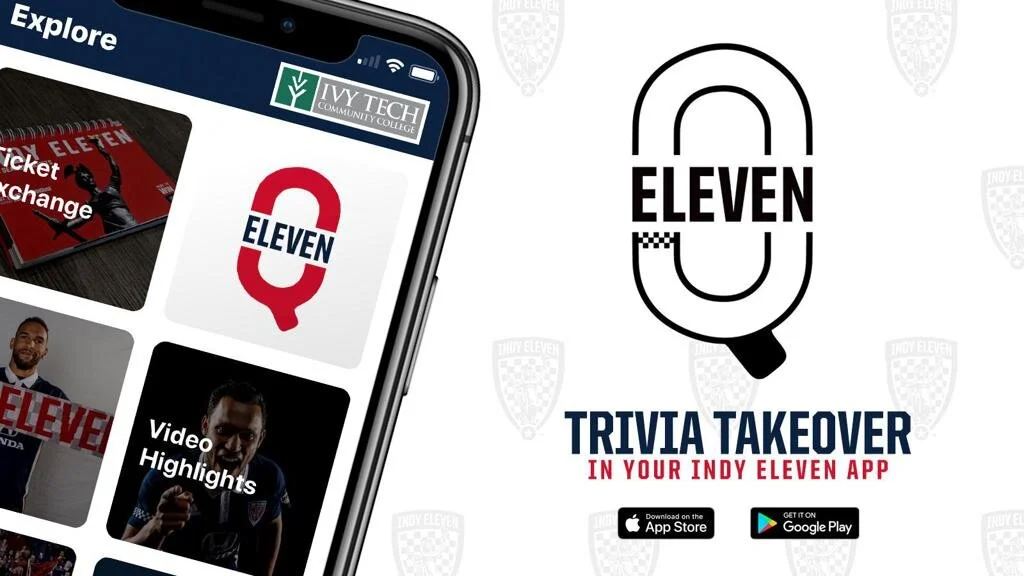
The Eleven Q. Built with The Q, a live in-app trivia show hosted pre-match, at half-time and post-match, playable from anywhere with real prizes. It was designed for 2020, when a significant share of our supporters were not comfortable attending — a way to keep the relationship alive when the building couldn't.
What transfers
- Define the behavior before the feature. "What should this change?" produces a better roadmap than "what should this have?"
- Treat the product as an instrument. The data an app generates is often worth more than the content it delivers.
- Reward the customer the way you reward your stars. Milestones are free to give and disproportionately valued.
- Build for the people who can't be in the room. That constraint produced the most inventive thing we made.


What behavior should your product change?
If the answer is "none," it's a channel — and it probably doesn't need installing.
